Courses
Vietnamese language courses at Brown.
Pick your level
Brand new or already know some Vietnamese? There's a class for you.
VIET 0100 & 0200
Beginner sơ cấp
Never studied Vietnamese? Start here. You'll learn the basics of speaking, listening, reading, and writing.
Beginner courses →VIET 0300 & 0400
Intermediate trung cấp
Go deeper. Build on the basics and get comfortable holding real conversations.
Intermediate courses →How the sequence works
No experience needed. Just sign up.
Taken right after 0100. The two go together.
Finish 0100 and 0200, or take a placement test.
The end of the intermediate sequence.

Certificate in Intercultural Competence
This certificate shows you can use language and cultural knowledge to work across differences. It's useful for anything that involves people from around the world: business, research, social justice, and more.
At Brown you can earn it with a focus on Vietnamese by combining language courses, area studies, and hands-on experience.
Requirements on the CLS website →The program in the news
Offering Vietnamese “reflects a kind of acknowledgment (of) Southeast Asian history and (its) place in academia.”
Kaitlan Bui ’22
Questions
The things students usually ask Cô Trang (Professor Trang) at the start of the semester. Don't see yours? Email trang_tran@brown.edu.
Are there any prerequisites?
There are no prerequisites for VIET 0100. VIET 0100 and VIET 0200 must be taken together as a sequence. VIET 0300 requires VIET 0200 or equivalent proficiency demonstrated through placement. VIET 0400 requires VIET 0300 or equivalent proficiency. Ask Cô Trang about placement if you already know some Vietnamese.
What materials do I need?
A textbook (listed in the syllabus), a laptop or tablet for in-class exercises and online resources, and something to write with.
How are the courses set up?
Each unit starts with background and vocabulary, then moves to group and solo exercises. There are presentations and oral exams in class. You're expected to go to TA hours every week. Some classes take field trips into the Providence community.
Are there cultural or community events?
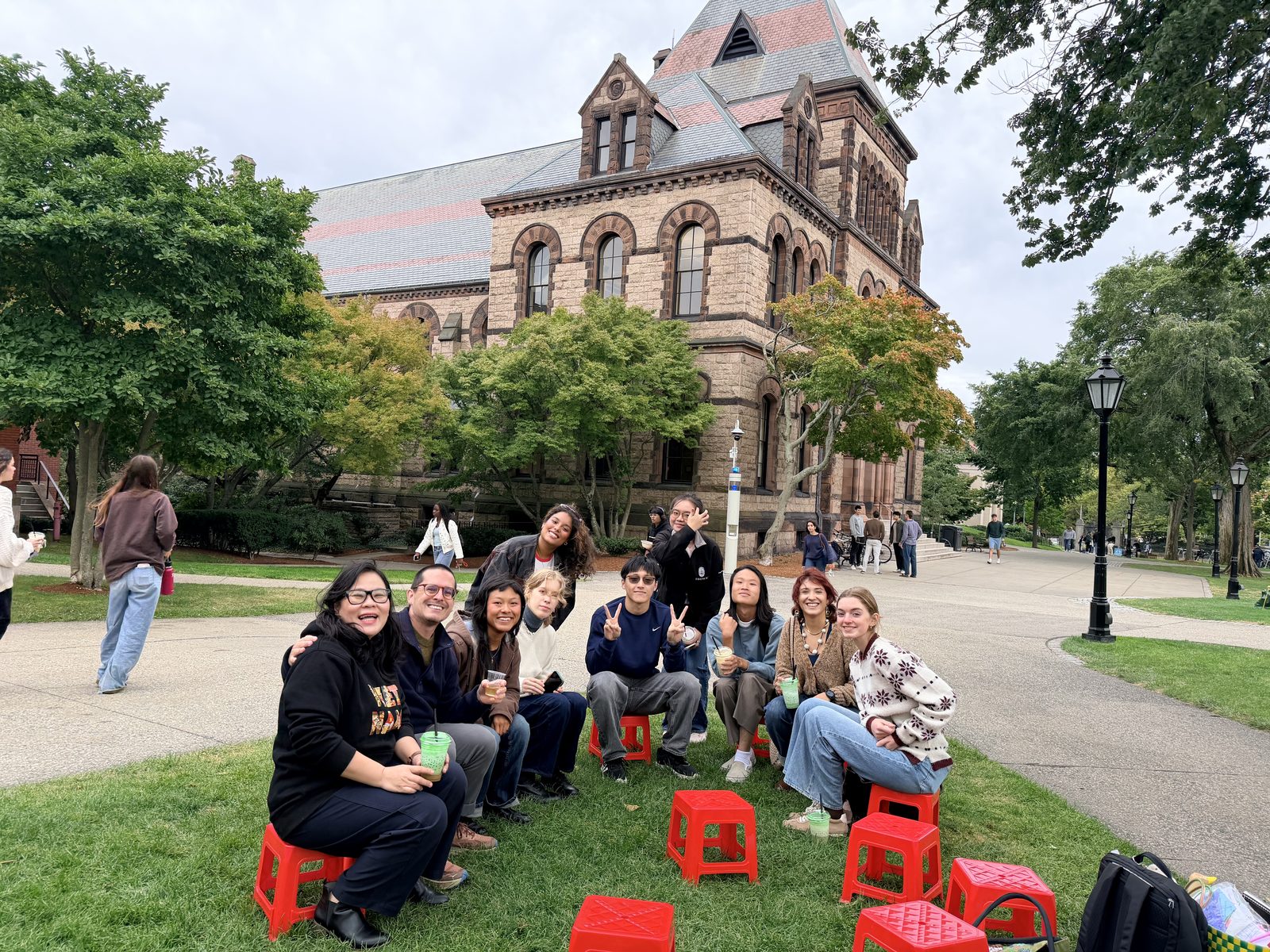
Yes. TAs run Vietnamese language tables where you can talk about Vietnamese culture. The language program and the East Asian Studies department also host events throughout the year. Sign up for the newsletter to hear about them.
How much work is it?
It depends on the level. In general: class every day, TA and instructor office hours, and exercises to practice what you learned.
More than class
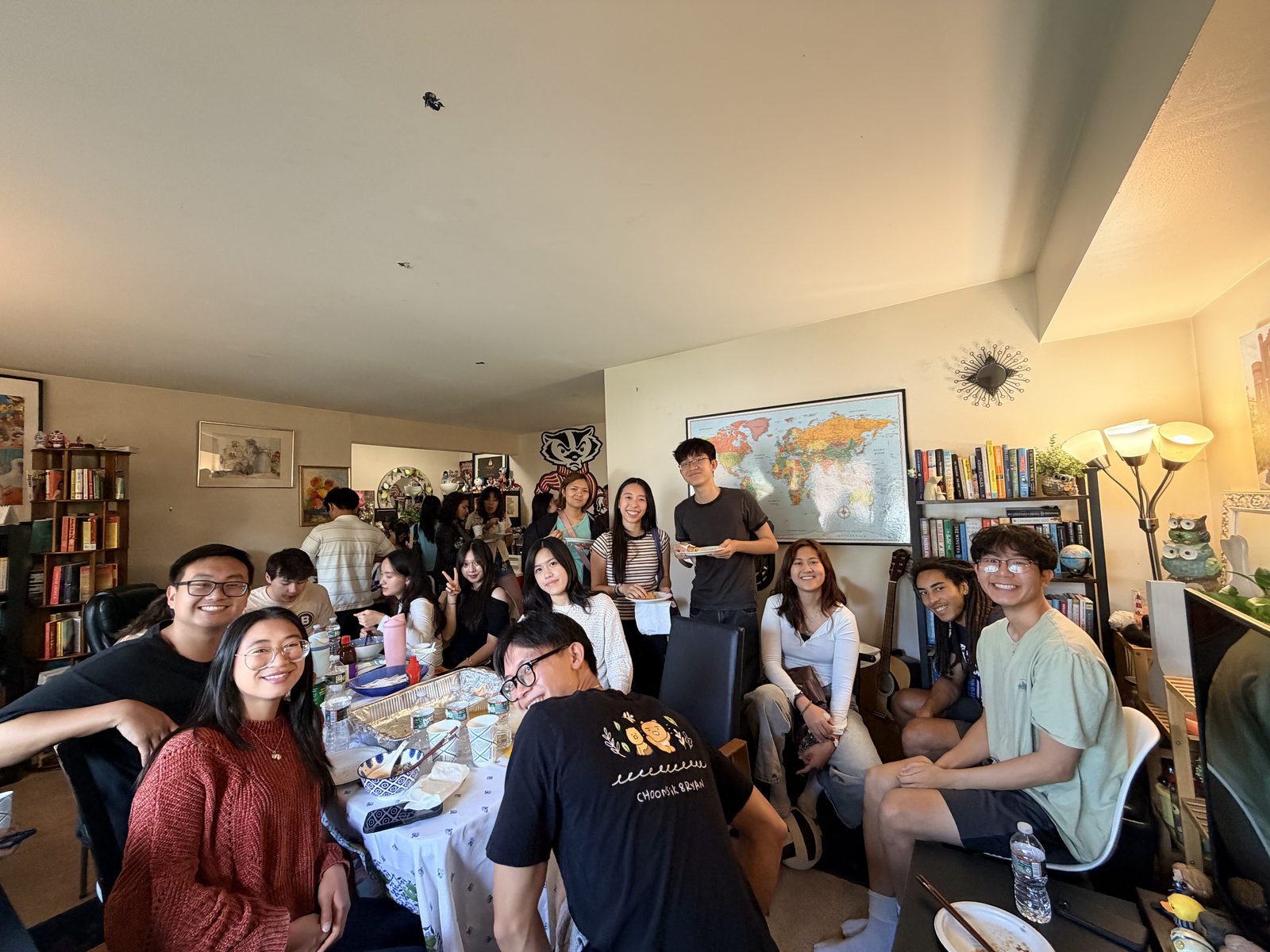
Students also share meals and spend time together on campus. See community events.